From Pervasive Beliefs To Wrongful Convictions written by: Enide Maegherman, Robert Horselenberg, Karl Ask, Peter J. Van Koppen
Refugees wel(l)come: The impact of social support on refugees’ well-being written by: Ina-Maria Döring
Social Machines: Social Aspects of Human-Computer Interaction written by: Flora Almosdi, Adrienn Ujhelyi
Understanding Online Child Sexual Abuse and How to Talk to Children About it written by: Malin Joleby, Carolina Lunde, Linda Jonsson
Risk assessment tools and criminal reoffending: Does bias determine who is “high risk”? written by: Jennifer Kamorowski, Maartje Schreuder, Corine de Ruiter, Marko Jelicic, Karl Ask
The Effect of Acute Stress on Memory: How It Helps and How It Hurts written by: Carey Marr, Melanie Sauerland, Henry Otgaar, Conny Quaedflieg, Lorraine Hope
Remembering what never occurred? Children’s false memories for repeated experiences written by: Bruna Calado, Henry Otgaar, Timothy J. Luke, Sara Landström
White lies and black lies: What they have in common and how they differ written by: Janina Steinmetz, Ann-Christin Posten
Fake Posttraumatic Stress Disorder (PTSD) Costs Real Money written by: Irena Bošković, Harald Merckelbach
Improving the Disclosure of Information in an Investigative Interview: Rapport building and the Physical Environment written by: Katherine Hoogesteyn, Ewout Meijer, Aldert Vrij, Harald Merckelbach
Cooperation in social dilemmas: How can psychology help to meet climate change goals? written by: Rachel New, Julian Savulescu, Nadira S. Faber
Selfie-Esteem: The Relationship Between Body Dissatisfaction and Social Media in Adolescent and Young Women written by: Bindal Makwana, Yaeeun Lee, Susannah Parkin, Leland Farmer
The Face of Leadership: How CEOs’ Facial Appearance Predicts Business Success written by: Daniel E. Re, Nicholas O. Rule
Straight talk about gaydar: How do individuals guess others’ sexual orientation? written by: Fabio Fasoli, Peter Hegarty
In Defense of Anger: An Evolutionary Necessity and its Contemporary Applicability written by: Cameron Stuart Kay
Asking Children to Talk About Abuse: Can Research Help Improve Police Interviewer Skills? written by: Mikaela Magnusson, Emelie Ernberg, Sara Landström
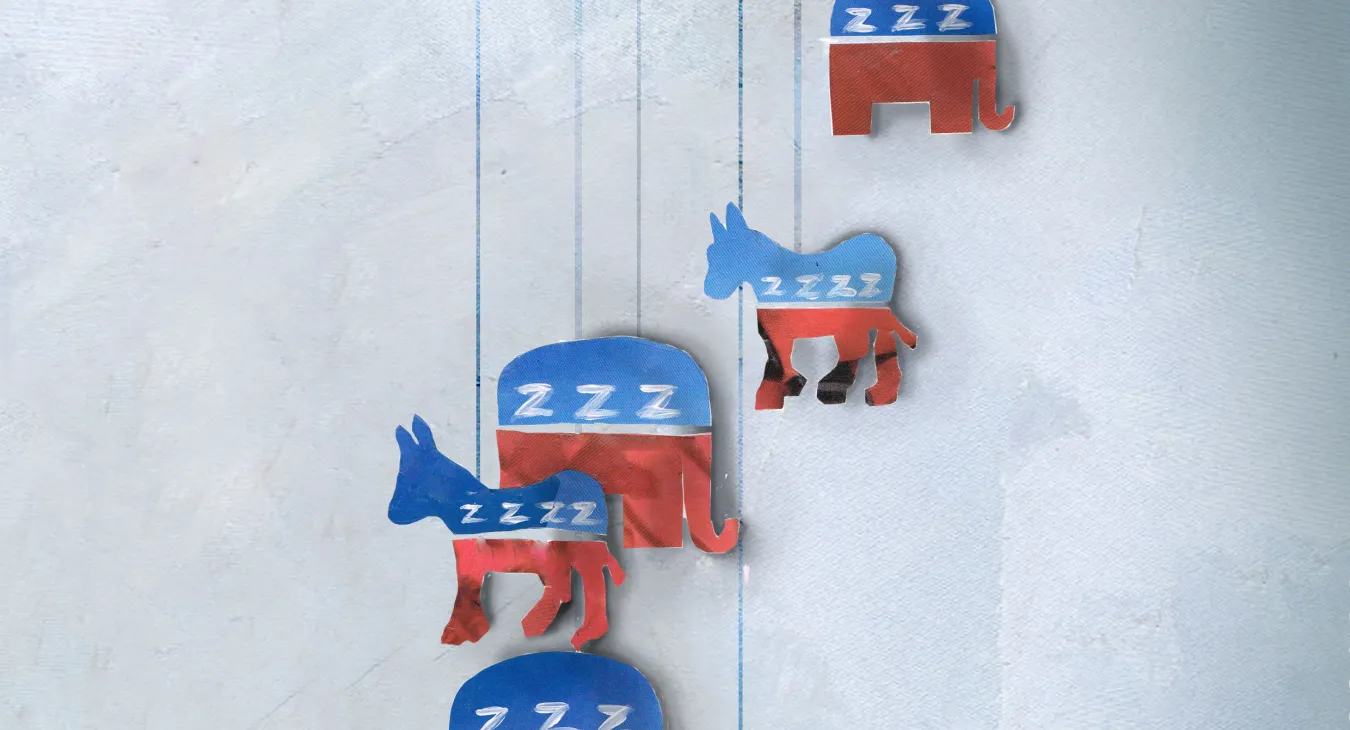
Sleepy Politics: How Sleep Deprivation can Affect Political Decision Making written by: Jan Alexander Häusser
Elephants and Donkeys Are Killing The United States: Why We Need Political Diversity written by: Kate Johnson
Was that how it happened? Shaping our memory for personal experiences in conversation with others written by: Joanne Rechdan, Melanie Sauerland, Lorraine Hope, James Ost