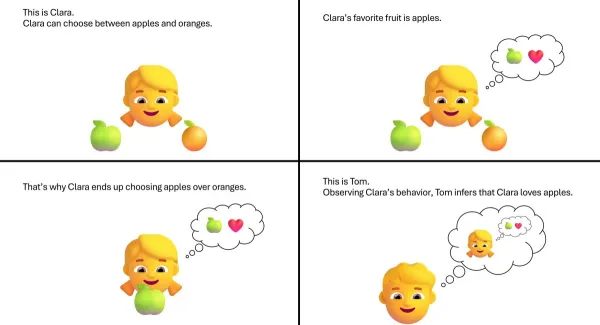
- edited by
- Magdalena Wischnewski,
- Stella Wernicke
Reviewers: Two anonymous reviewers
Editorial Assistant: Maren Giersiepen
A supermarket with prices that can change at any time and fully automated checkouts is no longer fiction but a reality enabled by artificial intelligence. This raises important questions about the consequences for consumers. Besides greater convenience, efficiency, and a personalized shopping experience, AI-driven supermarkets may reduce price and payment transparency and create a less comfortable atmosphere for consumers. This article explores the use of AI in supermarkets from a psychological perspective.
The ongoing advancement of artificial intelligence (AI), including algorithms and autonomous systems, is changing how consumers purchase groceries in supermarkets, such as the prices they pay and how they pay. More than 60% of industry experts reported that AI is already central to their business [1]. By using AI technologies, retailers may increase customer satisfaction, improve product assortment and pricing, and streamline internal processes. AI technologies that optimize processes, such as AI-enabled dynamic pricing, utilize algorithms to make efficient pricing decisions. Further AI technologies, such as AI-enabled checkout systems, can autonomously perform tasks, follow a predetermined goal, and require no user interaction [2]. In this article, we explore how AI-enabled dynamic pricing and checkouts influence consumers’ thinking, emotions, and behavior.
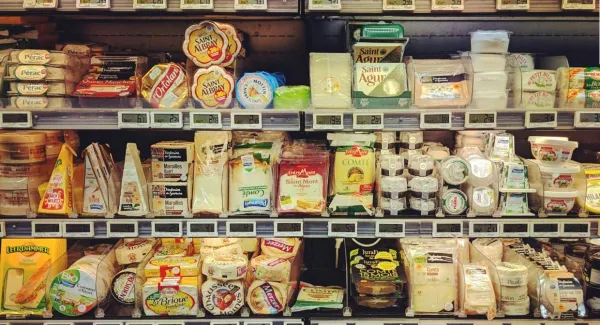
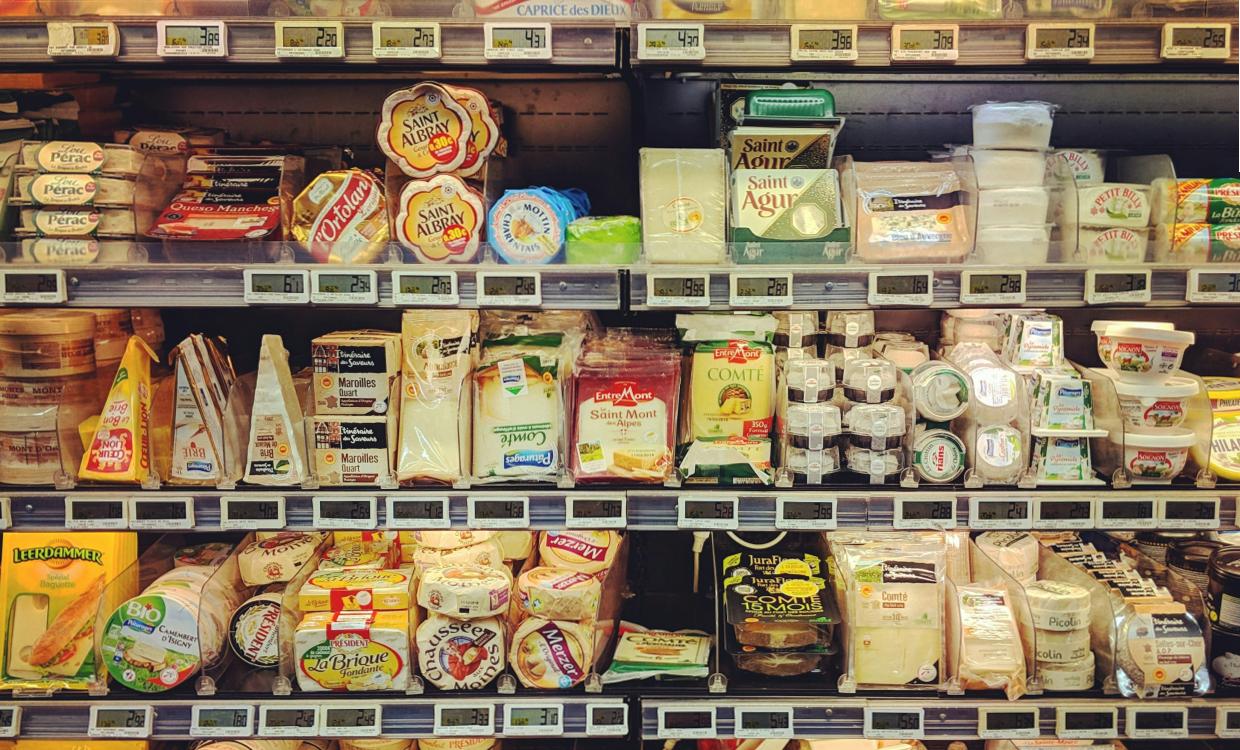
Why are AI-enabled dynamic prices and checkouts so interesting for food retailers? Prices are a central tool for increasing profits because they influence revenue and consumers’ decisions on what, where, and how much to buy. Therefore, retailers must find a sweet spot where prices are as attractive as possible for customers while still generating the highest profit. Using AI-enabled dynamic pricing in supermarkets can help to find that sweet spot. In contrast to static pricing, where prices remain stable over time, dynamic pricing strategies flexibly adjust prices based on customers’ preferences, competitors’ prices, or time-related events. Building on this approach, AI-enabled dynamic pricing employs machine-learning algorithms that continuously process large-scale data to optimize prices in real time [2]. These dynamic pricing strategies are already widely used in online retail. Common examples include hotel and flight ticket bookings, where prices can change quickly and frequently. Recent advancements in AI and digital price tags have now made it increasingly viable for supermarkets. Digital price tags (see Image 1) allow retailers to adjust prices at any time and across different stores, for example, by lowering the prices of products nearing expiration. For consumers, this results in lower prices and potential savings. Carrefour in Poland has already adopted this approach, while Walmart in the US uses algorithms to track competitors’ prices and flexibly adapt its own to remain both competitive and profitable [2].
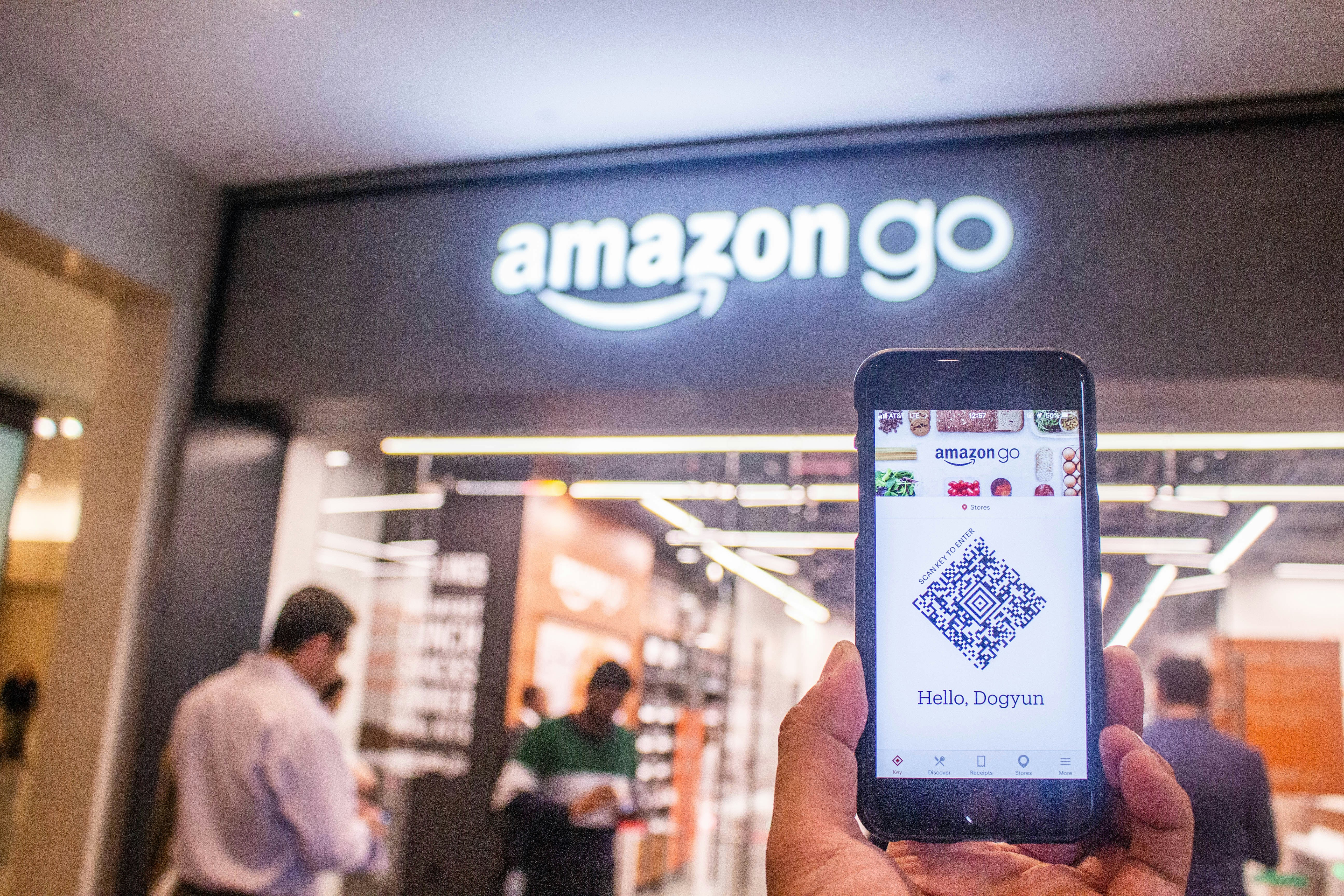
Additionally, AI advancements have transformed the checkout process, potentially enhancing the overall shopping experience. The checkout is a common source of frustration for consumers. They must wait in line, handle the products, interact with salespeople and other customers, and experience the pain of paying, a negative feeling people get from spending money [3]. A conventional checkout process also requires staff and is cost-intensive for retailers. AI technology can help make the checkout process more convenient for customers and less cost-intensive for retailers. To use stores with AI-enabled checkouts, customers must check in at the store entrance by scanning a provided QR code on their mobile phones, as depicted in Image 2. AI-enabled checkouts then use cameras and sensors to track all products customers take from or return to the shelves. The selected products are then saved to a virtual shopping cart, and the customer can leave the store without stopping at a checkout to make a payment, as the purchase amount is automatically deducted from the customer’s account [4]. The key benefit is that customers experience a fully automated checkout process, managed entirely by AI, requiring no action on their part. Driven by the need to reduce labor costs, implement effective pricing strategies, and enhance customer convenience and satisfaction, grocery retailers have already begun integrating AI into their supermarkets [2].
Consequently, it is time to discuss the potential impact of implementing AI in supermarkets on consumers. Psychological findings can help clarify how grocery shopping experiences may change due to AI-enabled dynamic pricing and checkout processes and how consumers feel and think about that change.
AI-enabled dynamic pricing
For consumers, price is one of the most important criteria in a purchase decision. AI-enabled dynamic pricing can offer lower prices for products with low demand or those about to expire. However, this does not necessarily lead to positive consumer reactions. Instead, studies suggest that dynamic pricing influences consumers’ cognitions, emotions, and behavior—but not always in a good way.
A relevant aspect of how consumers think about AI-enabled dynamic pricing refers to their perceptions of price fairness. Price fairness typically results from price comparisons and describes the subjective evaluation of whether a price difference is justified, reasonable, or acceptable [5]. This can be understood as a form of distributive fairness, which focuses on the perceived fairness of an outcome [6], in this case, the price itself [5]. Studies show that dynamic pricing reduces price fairness perceptions, particularly when consumers recognize that they paid more than others for the same product [7], [8]. One reason for reduced fairness perception is price confusion, resulting from the perceived lack of transparency in dynamic price changes that are often not comprehensible to consumers. This leads to uncertainty about how these complex prices are determined and whether the retailer acts solely out of self-interest [9]. In a supermarket, where consumers often purchase the same products and are therefore familiar with their prices, frequent, non-transparent dynamic price changes may increase perceptions of price confusion. Thus, consumers may perceive the supermarket as exploitative and manipulative. Furthermore, AI-enabled dynamic pricing can reduce consumers’ trust in the seller. However, if consumers have previously experienced dynamic prices or perceive those prices as the market norm, the loss of trust tends to be smaller [10]. For example, dynamic pricing for flight tickets or hotel rooms seems widely accepted and may be less likely to erode trust. As AI-enabled dynamic pricing is not yet the norm in supermarkets, consumers may perceive this pricing approach as unfamiliar or unexpected in this specific context, leading to reduced fairness and trust perceptions. Additionally, they may perceive AI-enabled dynamic pricing as discriminatory or unethical, particularly when prices are based on customer-specific data [9]. This may be the case, for example, when only loyalty card users receive discounts or when identical products are priced differently across store locations.
The described cognitive appraisals shape the emotions consumers may experience when exposed to AI-enabled dynamic pricing. In supermarkets, where consumers are likely to expect relatively stable prices across visits, dynamic pricing may elicit a range of emotional reactions. Especially perceived price fairness plays a key role in determining the emotions that consumers experience. When a price is perceived as unfair, it can lead to negative emotions such as anger, disappointment, or outrage. When a price is perceived as fair, it leads to more positive emotions, such as joy, satisfaction, or surprise [8]. Further studies support and extend these findings. They suggest that consumers react to perceived price unfairness with frustration or regret if they assume that better alternatives are available. However, most of these findings refer to situations where consumers experience a disadvantaged price inequality as they pay more than others. Yet the opposite is also possible: advantaged price inequality, where consumers pay less than others do. In such cases, price unfairness tends to be perceived as less severe and leads to distinct emotions [5]. Positive emotions may include happiness, pride, gratitude, or malicious joy; negative emotions may include pity, outrage, or guilt [11]. AI-enabled dynamic pricing may turn grocery shopping into a more emotional experience. Since consumers cannot easily compare prices or switch to another seller as they can with just a few clicks online, dynamic price changes in supermarkets may feel more arbitrary.
Consumers’ cognitive appraisals and emotional reactions influence their behavior in response to AI-enabled dynamic pricing. Negative emotions may lead to negative word-of-mouth [5], [9], and consumers may advise others not to purchase in a supermarket using dynamic pricing [9]. As trust affects consumers’ decisions about where to make purchases, consumers may turn away from supermarkets that use AI-enabled dynamic pricing due to a perceived loss of fairness and trust [5], [10]. In addition, negative emotions may result in more refund claims and complaints [5], [8], lower repurchase intentions [8], or active revenge behavior against the seller [5]. These actions help consumers to regulate their negative emotions [5]. In contrast, positive emotions may lead to positive word-of-mouth, higher repurchase intentions, and a lower likelihood of switching behavior [8].
AI-enabled checkouts
While AI-enabled dynamic pricing optimizes pricing strategies, AI-enabled checkouts ensure a seamless, efficient purchase experience. Retailers worldwide are implementing AI-enabled checkouts in their stores. To name two: In Germany, the retailer REWE recently opened its largest checkout-free store in Hamburg [12]. In the US, Amazon operates its Amazon Go stores, which are small-scale grocery stores [4]. However, psychological research suggests that companies are not necessarily boosting profits while enhancing customer satisfaction. AI-enabled checkouts may offer the intended convenience, but they can also trigger unexpected psychological effects on consumers' cognitions, emotions, and behavior, like decreased social connectedness [13] or reduced spending awareness [14], [15].
When artificial intelligence makes the entire checkout process seem invisible, it may influence how consumers think about their purchases and the store. Such an invisible payment process reduces the perceived payment transparency, meaning that customers do not directly see how much money they are spending. Psychological findings suggest this can influence what attributes consumers pay attention to when selecting products. It was shown that high payment transparency motivates consumers to focus more on costs. In contrast, consumers focus more on product benefits when payment transparency is low [14]. The invisible payment can also influence consumers’ self-control, as they tend to purchase more unhealthy products when the payment is less transparent [3]. Furthermore, payment transparency can also affect how well customers remember their expenditures. It has been shown that payment transparency facilitates customers' recall of the prices of products they have purchased [15] and other aspects related to product costs [14]. Thus, when using checkout-free stores, customers may lose track of their budget and, consequently, have reduced financial control. Additionally, not all consumers share the same perspective on AI-enabled checkouts. Specifically, only those with high self-efficacy – meaning they feel confident using such systems – tend to view them as more convenient [16].
Consumers' reactions to AI-enabled checkouts are not purely rational; the new technology likely evokes emotions related to the shopping experience and the payment. About the shopping experience, the lack of social interaction with a cashier can heighten consumers' feelings of loneliness. Research shows that consumers value conversations with store staff. Lonely consumers use interactions with store salespeople to cope with their loneliness [13]. However, interacting with store staff can also lead to unpleasant feelings, such as embarrassment. Social presence can increase embarrassment if customers have to purchase products related to personal topics, such as hygiene, sexuality, or health [17]. Thus, customers may feel less embarrassed and more comfortable purchasing such products in AI-enabled checkout stores. Further, payment-related emotions may be influenced by the invisible payment process. The act of paying leads to an unpleasant emotion called the pain of paying. This feeling occurs when people realize they have spent money [3]. If stores use AI-enabled checkouts, the payment process can be largely invisible, making it less painful for customers. Additionally, the technology itself may influence consumers’ feelings. Some consumers perceive AI as a threat [18], so they may feel intimidated by AI-enabled checkouts. Such fear can relate to a loss of control or data privacy concerns.
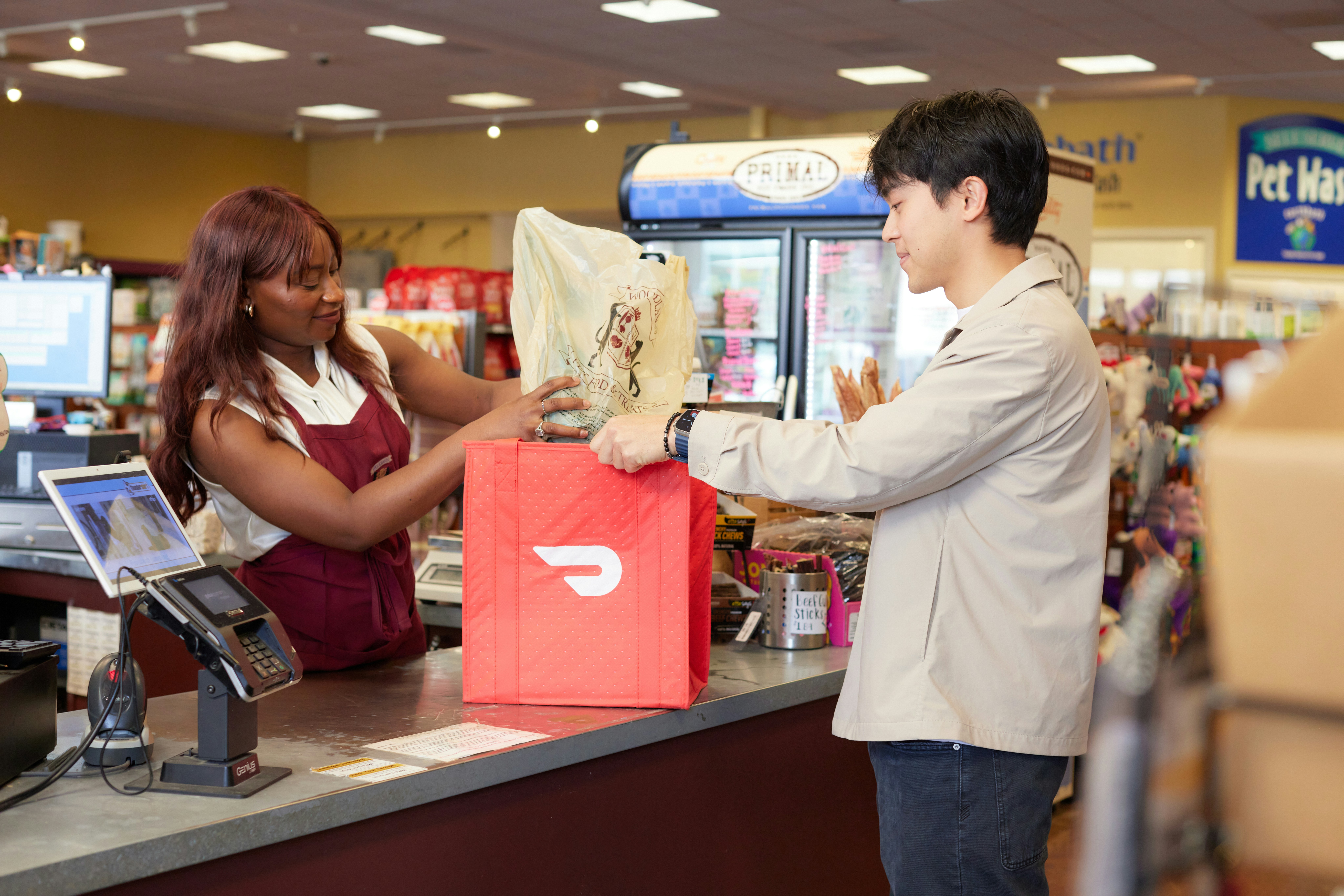
The previously mentioned thoughts and feelings that consumers have towards checkout-free shopping can also influence their behavior. First, in line with retailers' expectations, checkout-free shopping can increase purchase intentions [16], [18], and customers may be willing to pay higher prices as they focus more on product benefits than on their costs [14]. The lower pain of payment in checkout-free stores may further attenuate this by lowering customers’ self-control [3], leading to more unhealthy product purchases. Another aspect is that embarrassing products such as condoms, tampons, or medications may be purchased more frequently in such stores, as customers do not need to interact with sales staff [17]. It is also possible that customers may altogether avoid checkout-free stores. They may prefer visiting conventional stores because they value the interaction with sales staff [13] (see Image 3) and the verification process of their purchases at conventional checkouts [19], which may help to increase self- and financial control. Taken together, AI-enabled checkouts may increase convenience and encourage consumers to spend more; on the other hand, they may also lead consumers to avoid stores, develop negative feelings, or exhibit harmful consumer behavior, such as purchasing unhealthy products.
Conclusion
By combining AI-enabled dynamic pricing and checkout processes, retailers can enhance the shopping experience for customers while increasing profit margins, reducing labor costs, and collecting valuable data. However, consumers react to AI technologies in various ways. Using customer data to personalize prices may lead to lower prices and higher savings but can also result in a lack of trust, perceptions of unfairness, and negative emotions. Regarding AI-enabled checkouts, consumers may perceive them as convenient. Still, as Image 3 illustrates, consumers may also value the social interaction with a cashier in conventional stores. Additionally, they may opt to pay for their products in person to maintain self-control and a clear overview of their budget.
In addition to the technologies discussed here, AI enables further transformations in retail, such as improved inventory management, theft prevention, and personalized recommendation systems [2]. Although this article could not cover all of these technologies in detail, it emphasizes that a psychological perspective is necessary to successfully implement AI technologies in supermarkets. Retailers should consider psychological findings to gain a deeper understanding of how AI in supermarkets affects customers and to use the technology effectively. Consumers should reflect on how they may react to AI in supermarkets. Will they value the personalized, seamless experience, or will they prioritize social contact, fairness, and transparency?
Bibliography
[1] P. Mansukhani, M. Unger, and A. Clamp, “Intelligent retail. A blueprint for creating value through AI-driven transformation,” KPMG International, 2025.Accessed: Jan 08, 2026.[Online]. Available: https://kpmg.com/kpmg-us/content/dam/kpmg/pdf/2025/intelligent-retail.p…
[2] R. Wolniak, K. Stecuła, and B. Aydın, “Digital transformation of grocery in-store shopping-scanners, artificial intelligence, augmented reality and beyond: A review,” Foods, vol. 13, no. 18, Sep. 2024, Art. no. 2948, doi: 10.3390/foods13182948.
[3] M. Thomas, K. K. Desai, and S. Seenivasan, “How credit card payments increase unhealthy food purchases: Visceral regulation of vices,” J Consum Res, vol. 38, no. 1, pp. 126–139, Jun. 2011, doi: 10.1086/657331.
[4] “Just Walk Out.” Accessed: Dec. 26, 2025. [Online]. Available: www.justwalkout.com
[5] L. Xia, K. B. Monroe, and J. L. Cox, “The Price is Unfair! A Conceptual Framework of Price Fairness Perceptions,” J. Marketing, vol. 68, no. 4, pp. 1–15, Oct. 2004, doi: 10.1509/jmkg.68.4.1.42733.
[6] J. A. Colquitt, D. E. Conlon, M. J. Wesson, C. O. L. H. Porter, and K. Y. Ng, “Justice at the millennium: A meta-analytic review of 25 years of organizational justice research.,” J. App. Psychol., vol. 86, no. 3, pp. 425–445, Jun. 2001, doi: 10.1037/0021-9010.86.3.425.
[7] K. L. Haws and W. O. Bearden, “Dynamic Pricing and Consumer Fairness Perceptions,” J. Consum. Res., vol. 33, no. 3, pp. 304–311, Dec. 2006, doi: 10.1086/508435.
[8] Y. Lii and E. Sy, “Internet differential pricing: Effects on consumer price perception, emotions, and behavioral responses,” Comput. Hum. Behav., vol. 25, no. 3, pp. 770–777, May 2009, doi: 10.1016/j.chb.2009.02.005.
[9] S. Bambauer-Sachse and A. Young, “Consumers’ Intentions to Spread Negative Word of Mouth About Dynamic Pricing for Services: Role of Confusion and Unfairness Perceptions,” J. Serv. Res., vol. 27, no. 3, pp. 364–380, Aug. 2024, doi: 10.1177/10946705231190871.
[10] A. Vomberg, C. Homburg, and P. Sarantopoulos, “Algorithmic pricing: Effects on consumer trust and price search,” Int. J. Res. in Mark., vol. 42, no. 4, pp. 1166–1186, Dec. 2025, doi: 10.1016/j.ijresmar.2024.10.006.
[11] K. Gelbrich, “I Have Paid Less Than You! The Emotional and Behavioral Consequences of Advantaged Price Inequality,” J.Retailing, vol. 87, no. 2, pp. 207–224, Jun. 2011, doi: 10.1016/j.jretai.2011.03.003.
[12] Rewe, “REWE startet in neue Dimensionen,” Mediacenter Rewe. Accessed: Aug. 19, 2024. [Online]. Available: https://mediacenter.rewe.de/regionen/nord/pressemitteilungen/eroeffnung…
[13] C. B. Rippé, B. Smith, and A. J. Dubinsky, “Lonely consumers and their friend the retail salesperson,” J. Bus. Res. vol. 92, pp. 131–141, Nov. 2018, doi: 10.1016/j.jbusres.2018.07.013.
[14] P. Chatterjee and R. L. Rose, “Do payment mechanisms change the way consumers perceive products?,” J. Consum. Res., vol. 38, no. 6, pp. 1129–1139, Apr. 2012, doi: 10.1086/661730.
[15] R. Gafeeva, E. Hoelzl, and H. Roschk, “What else can your payment card do? Multifunctionality of payment modes can reduce payment transparency,” Mark. Lett., vol. 29, no. 1, pp. 61–72, Mar. 2018, doi: 10.1007/s11002-017-9445-2.
[16] P. van Esch, Y. Cui, and S. P. Jain, “Self‐efficacy and callousness in consumer judgments of AI‐enabled checkouts,” Psychol. Market., vol. 38, no. 7, pp. 1081–1100, Jul. 2021, doi: 10.1002/mar.21494.
[17] D. W. Dahl, R. V. Manchanda, and J. J. Argo, “Embarrassment in consumer purchase: The roles of social presence and purchase familiarity,” J. Consum. Res., vol. 28, no. 3, pp. 473–481, 2001, doi: https://doi.org/10.1086/323734.
[18] P. van Esch, Y. Cui, and S. P. Jain, “Stimulating or intimidating: The effect of AI-enabled in-store communication on consumer patronage likelihood,” J. Advertising, vol. 50, no. 1, pp. 63–80, Jan. 2021, doi: 10.1080/00913367.2020.1832939.
[19] S. Benoit, B. Altrichter, D. Grewal, and C.-P. Ahlbom, “Autonomous stores: How levels of in-store automation affect store patronage,” J. Retailing, vol. 100, no. 2, pp. 217–238, Jun. 2024, doi: 10.1016/j.jretai.2023.12.003.
Images
Image 1: Photography by Alana Harris on www.unsplash.com
Image 2: Photography by Simon Bak on www.unsplash.com
Image 3: Photography by DoorDash on www.unsplash.com
- Log in to post comments