Editorial Assistants: Nathalie Claus and Zoey Chapman.
Note: An earlier version of this article has been published in the Italian version of In-Mind.
Why do so many of us, especially women, struggle to feel comfortable in our own bodies? This article explores how sociocultural pressures and social media shape body dissatisfaction and drive interest in cosmetic surgery. It also offers evidence-based strategies to build a healthier, more compassionate relationship with your body.
Defining body image: One, none, and one hundred thousand
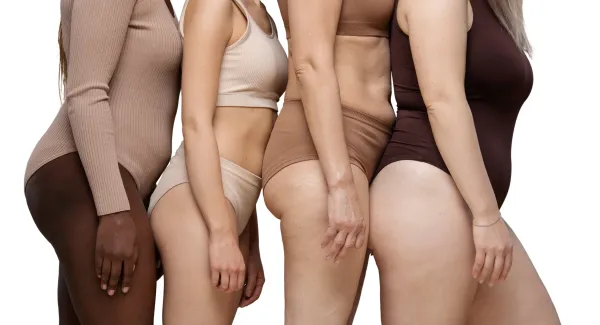
You wake up in the morning, open your front camera by accident, and suddenly feel a knot in your stomach. “Is this really what I look like?” Most people know this moment all too well. Before we even leave the house, we have already evaluated, compared, and judged our bodies—often harshly. This everyday experience captures what psychologists call body image: not just how we look, but how we feel about how we look. Body image consists of several components: the perceptual component refers to how a person visualizes the size and shape of their body — for example, imagining themselves as having long legs or a soft belly. The attitudinal component concerns what a person thinks about their body — for instance, believing that their belly is just the right size for their frame. The affective component involves the feelings linked to appearance, such as feeling happy or dissatisfied with one’s belly. Finally, the behavioral component includes the actions we take in response to these perceptions and feelings — for example, continuing to eat the same way one usually does, or changing eating or exercise habits.
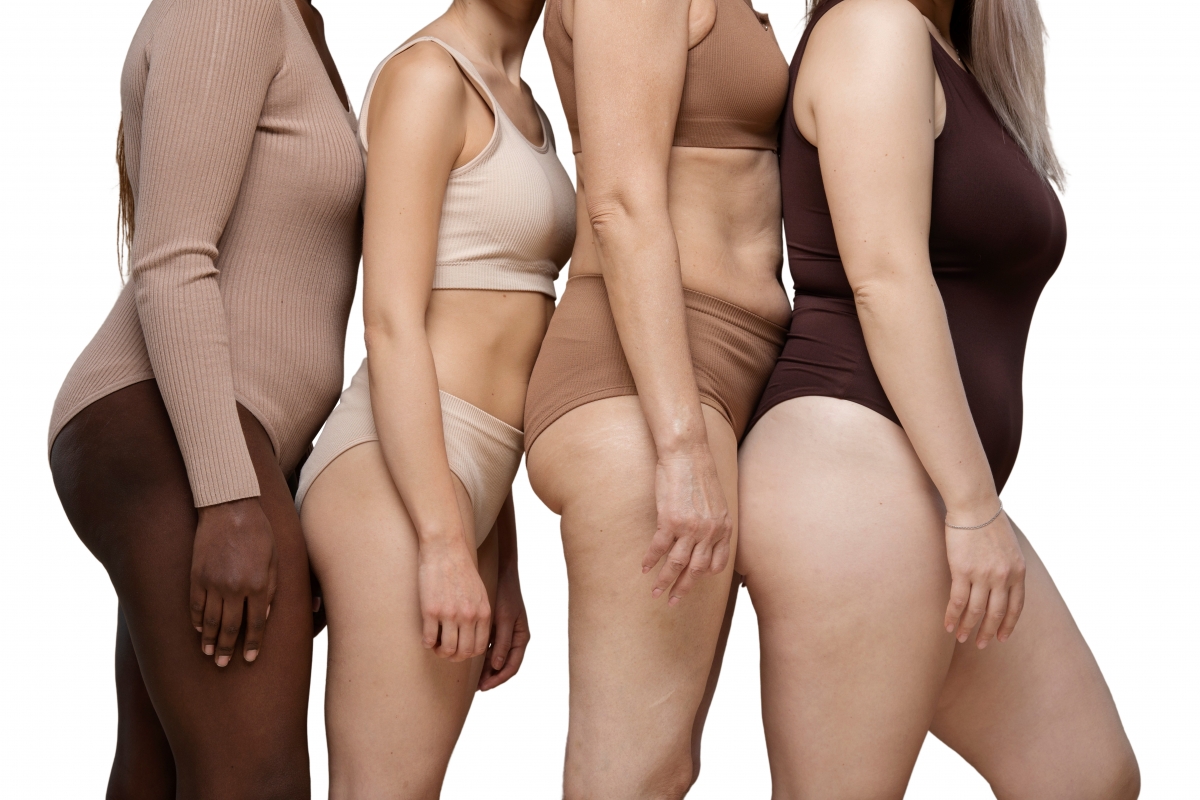
Researchers agree on one simple idea: body image is everything that goes through our mind when we think about how we look. It includes what we see in the mirror, what we think about those features, and how we feel as a result. All of this is shaped by many things — from our biology to the comments we hear growing up, to the messages we absorb from friends, family, and the media. In short, body image is the mix of perceptions, thoughts, and emotions that make us say, on any given day, “I feel good about myself today” or “I wish I looked different.”
Body image can be either negative or positive. Negative body image is when the way we think and feel about our body lowers our confidence and satisfaction with our appearance. It can show up in everyday moments — for example, looking in the mirror and immediately noticing only what we dislike, avoiding photos because we “don’t feel camera-ready,” or comparing our body to others and feeling inadequate. These thoughts and feelings chip away at our body esteem, making us feel worse about ourselves. Body dissatisfaction often arises when we feel that our body does not match the beauty standards we see around us. This affects women in particular and is especially common in Western cultures. It has been estimated that approximately 50% of young women in Western countries report being dissatisfied with their appearance, consequently experiencing distress related to their looks [1]. Rates of body dissatisfaction among young Western women are particularly high compared to their male counterparts and are associated with numerous negative consequences for physical and psychological well-being [2].

With the rise of body positivity movements aimed at promoting unconditional acceptance of one’s appearance, research has increasingly focused on positive body image. Negative and positive body image are not simply opposites. Having less dissatisfaction does not automatically mean feeling good about your body. Negative body image improves when we dislike our body less. Positive body image, instead, is about something different: respecting our appearance, accepting our body as it is, and appreciating what it can do. You can reduce negative thoughts without necessarily developing this deeper sense of acceptance — and you can also build positive body image even if some insecurities remain [3]. This distinction matters, because interventions that only reduce dissatisfaction don’t automatically help people feel more connected to, grateful for, or accepting of their bodies. Building positive body image requires different skills.
Positive body image plays a protective role for physical health and psychological well-being. Moreover, it appears to correlate with the perception that one’s body is accepted and appreciated by significant others [3].
Cosmetic surgery: Looking better to feel good?
Many women seek to pursue internalized body ideals through various means. Cosmetic surgery is increasingly viewed as a quick solution to problems related to one’s physical appearance. Today, many people choose to undergo cosmetic enhancements in an attempt to move closer to certain desired standards or to meet psychosocial needs — for example, to match the beauty ideals promoted by society, the media, and the people around them. The growing importance attributed to the body in contemporary culture and the fact that the pursuit of a youthful and attractive appearance is considered an absolute priority in Western cultures have contributed to normalizing the use of cosmetic surgery as a strategy to modify one’s appearance [4].
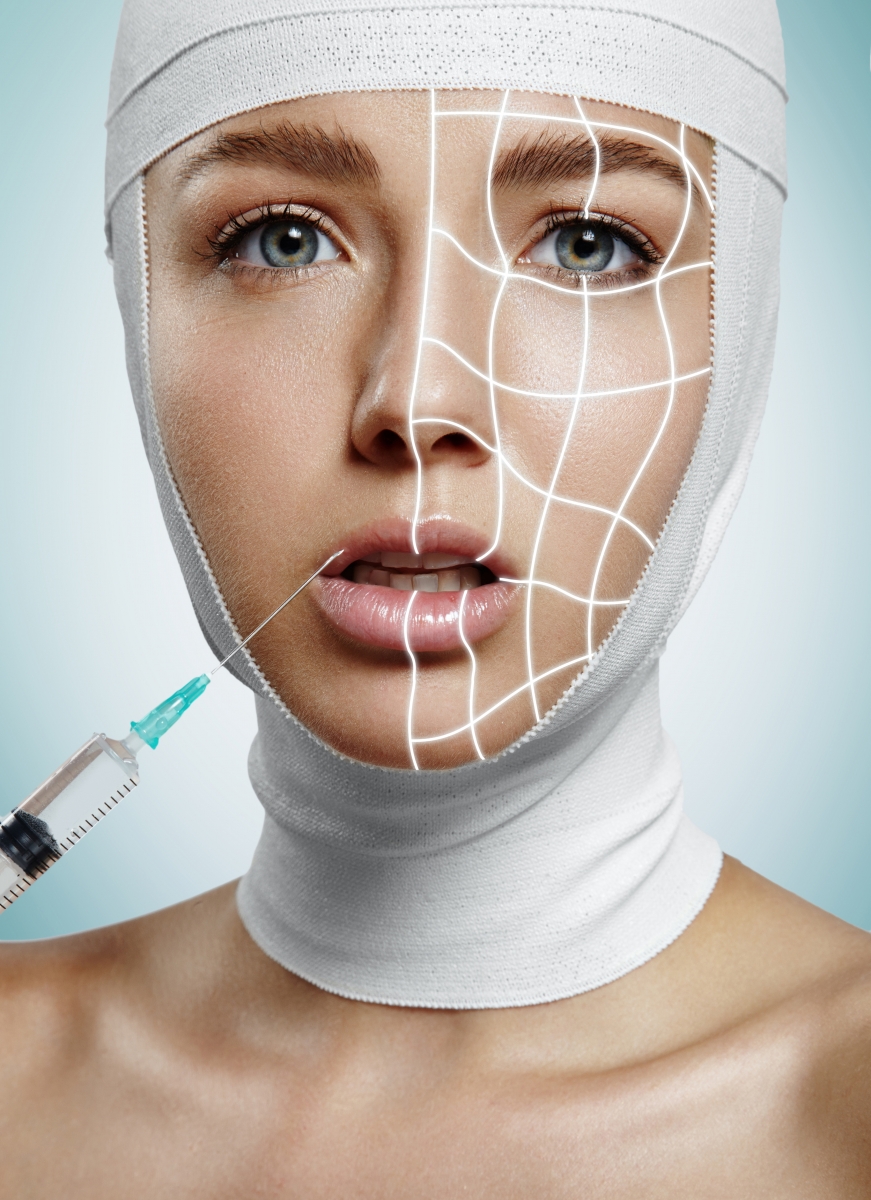
From a sociocultural perspective, many women come to believe that their self-esteem and personal worth depend on being seen as physically attractive. As a result, they often work hard to achieve this ideal, hoping it will make them feel more valued. According to the International Society of Aesthetic Plastic Surgery [4], the use of cosmetic surgery procedures is steadily rising in Western countries.
It is important to consider that, although undergoing cosmetic surgery can have positive consequences for psychological well-being, the literature highlights multiple risks associated with these interventions. In particular, several postoperative medical complications have been observed and, in the most extreme cases, death. A study on the psychological risks of cosmetic surgery [6] showed psychological issues of varying severity: from persistent and long-lasting body dissatisfaction to anxious and depressive symptoms, psychotic episodes, and post-traumatic stress. These findings have also been confirmed in more recent studies [7].
Sociocultural predictors of body dissatisfaction
When we look at what makes people feel unhappy with their appearance, many studies show that society plays a major role. The messages we receive from media, family, and peers strongly influence how we learn to judge our bodies. One of the most useful ways to understand how society shapes our body image is the Tripartite Influence Model. Specifically, the model identifies three main sources of influence—peers, family, and mass media—capable of shaping body image through two processes: the internalization of sociocultural beauty ideals and the repeated tendency toward appearance-related social comparison. Internalization is what happens when you see certain beauty ideals so often that you start believing you should look like that too. Social comparison is when you look at someone online and think, “Do I look as good as she does?” The more you do this, especially with images that are edited or unrealistic, the worse you may feel about your own body.
With the increasing spread of the Internet, especially among young adults, research has increasingly shifted from the study of traditional media to new media, which represent a particularly pervasive source of influence on body image. Some social networks, such as Instagram and TikTok, are more focused on physical appearance than others—such as Twitter—which mainly disseminate textual content. Image-based social networks that focus heavily on appearance give people endless opportunities to compare themselves to others — friends, family, influencers, celebrities. Because many of these images show unrealistic or unattainable body ideals, these platforms easily become a place where body image concerns grow [8].
In this area of research, scholars have increasingly focused on Instagram. It is not only a platform centered on images and physical appearance, but it also offers tools that let users change how they look online — for example, by using face filters that smooth skin, enlarge eyes, or reshape facial features. These features can make the online version of ourselves look very different from our real appearance. The desire to appear more attractive both to oneself and to one’s followers is becoming a growing trend in contemporary society, and the rapid proliferation of digital image-editing tools, along with the easy accessibility of social networks, appears to promote greater attention to managing how one’s body appears online. Furthermore, the increasing proliferation of images posted on social networks showing postoperative results of cosmetic surgery directly responds to the demands of a large number of users who are increasingly seeking quick and accessible means of intervening on their appearance.
Additional factors worth considering when looking at sociocultural influences on body image and cosmetic surgery include age and sexual orientation.
When it comes to age, research comparing young and middle-aged women [9] found something surprising: this is not an age issue. Women of all ages can be affected in similar ways. What matters more is how much a woman bases her self-worth on her appearance.
Regardless of age, women who place a strong importance on their looks tend to feel more dissatisfied with their bodies and more anxious about aging after seeing media images — and this makes them more likely to consider cosmetic surgery.
For sexual orientation, studies on lesbian women [10] show that different communities have different beauty ideals. What really matters is how much a woman absorbs the ideal of her own group — whether it values thinness, muscularity, or something else. The more she internalizes that ideal, the more it affects how satisfied she feels with her body and whether she considers cosmetic surgery.
It is important to highlight that undergoing cosmetic surgery is not harmful in itself, but it may become so when the motivations underlying the decision are tied to the internalization of aesthetic standards transmitted at the sociocultural level, which vary with changes in the social and cultural context of reference.
How to intervene? The importance of evidence-based interventions
So how can we keep Instagram from making us feel bad about our bodies? Research has highlighted the importance of implementing health-promotion interventions aimed at mitigating the detrimental effects of social media on body image. Particularly useful are interventions focused on social media literacy, body compassion, and functionality appreciation. Social media literacy means helping users understand that much of what they see online is edited, staged, or unrealistic. It teaches people to question the images they come across and to think critically about the messages they receive. When these skills are strengthened—through workshops, school programs, or guided discussions—users become more skeptical about idealized content. Research shows that this can reduce the negative impact of social media on body image [11].
Equally useful may be activities aimed at enhancing positive body image, such as interventions designed to cultivate body compassion and functionality appreciation. Body compassion means treating our body with kindness and accepting its perceived flaws instead of judging them harshly. Research shows that this attitude can protect young women from the negative effects of Instagram on body image and make them less likely to accept appearance-changing practices pursued only for aesthetic reasons. Lastly, interventions aimed at increasing functionality appreciation [12] may also be useful. Functionality appreciation means relating to your body with respect and gratitude for what it can do, rather than focusing only on how it looks. It can sound like telling yourself: “My legs allow me to walk to work every day,” “My body lets me hug the people I love,” or “I’m grateful for the strength my body gives me, even if it’s not perfect.”.
All these interventions can help people relate to their bodies in a more flexible and compassionate way. They also encourage a more critical view of the appearance-focused content that fills our social media feeds.
Putting these tools into practice early—especially for young Instagram users—can soften the negative effects of constant exposure to idealized images. And it doesn’t matter whether someone uses social media to post their own content or simply scrolls through what others share: both experiences shape how we feel about our bodies.
Here are a few practical things social media users can do to protect their body image:
- Remember that most online images are edited or carefully curated. They rarely show real life.
- Mute or unfollow accounts that make you feel bad about your body. Protecting your mental space is a form of self-respect.
- Follow creators who promote diverse, realistic, and body-positive content. What you see shapes how you feel.
- Notice at least one thing your body allows you to do each day. It builds appreciation for its functions, not just its appearance.
- Limit comparison moments. If you catch yourself comparing your body to someone online, pause and remind yourself that you’re seeing a highlight reel.
- Use social media intentionally—not automatically. Ask yourself: “How do I feel before and after I scroll?”
Bibliography
[1] H. R. Gallivan, "Teens, Social Media and Body Image". Park Nicollet Melrose Center, 2014. [Online]. Available: https://lynnemaureenhurdle.com/wp-content/uploads/2017/01/18_Gallivan_Te...
[2] A. Bornioli, H. Lewis-Smith, A. Smith, A. Slater, and I. Bray, “Adolescent body dissatisfaction and disordered eating: Predictors of later risky health behaviours,” Social Science & Medicine, vol. 238, pp. 1–8, 2019. doi: 10.1016/j.socscimed.2019.112458.
[3] T. L. Tylka and N. L. Wood-Barcalow, “The Body Appreciation Scale-2: Item refinement and psychometric evaluation,” Body Image, vol. 12, no. 1, pp. 53–67, 2015. doi: 10.1016/j.bodyim.2014.09.006.
[4] Q. Sun, “Selfie editing and consideration of cosmetic surgery among young Chinese women: The role of self-objectification and facial dissatisfaction,” Sex Roles, pp. 1–10, 2020. doi: 10.1007/s11199-020-01191-5.
[5] International Society of Aesthetic Plastic Surgery (ISAPS), “2021 Global Survey from ISAPS Sees Significant Changes in Aesthetic Procedures During Pandemic,” 2021. [Online]. Available: https://www.isaps.org/discover/about-isaps/global-statistics/global-surv...
[6] E. Bradbury, “Clinical risk in cosmetic surgery,” Clinical Risk, vol. 15, no. 6, pp. 227–231, 2009. doi: 10.1258/cr.2009.090047.
[7] D. B. Sarwer, “Body image, cosmetic surgery, and minimally invasive treatments,” Body Image, vol. 31, pp. 302–308, 2019. doi: 10.1016/j.bodyim.2019.01.009.
[8] M. Tiggemann and I. Anderberg, “Social media is not real: The effect of ‘Instagram vs reality’ images on women’s social comparison and body image,” New Media & Society, vol. 22, no. 12, pp. 2183–2199, 2019. doi: 10.1177/1461444819888720.
[9] J. Slevec and M. Tiggemann, “Attitudes toward cosmetic surgery in middle-aged women: Body image, aging anxiety, and the media,” Psychology of Women Quarterly, vol. 34, no. 1, pp. 65–74, 2010. doi: 10.1111/j.1471-6402.2009.01542.x.
[10] L. Kelly, “Lesbian body image perceptions: The context of body silence,” Qualitative Health Research, vol. 17, no. 7, pp. 873–883, 2007. doi: 10.1177/1049732307306172.
[11] S. A. McLean, E. H. Wertheim, J. Masters, and S. J. Paxton, “A pilot evaluation of a social media literacy intervention to reduce risk factors for eating disorders,” International Journal of Eating Disorders, vol. 50, no. 7, pp. 847–851, 2017. doi: 10.1002/eat.22708.
[12] J. M. Alleva, C. Martijn, G. J. Van Breukelen, A. Jansen, and K. Karos, “Expand Your Horizon: A programme that improves body image and reduces self-objectification by training women to focus on body functionality,” Body Image, vol. 15, no. 3, pp. 81–89, 2015. doi: 10.1016/j.bodyim.2015.07.001.
Figures
Figure 1 Source: Freepik
Figure 2 Source: Freepik
Figure 3 Source: Freepik
- Log in to post comments